
What Is DHCP and How Does It Work? (2026 Beginner Guide)
Learn what DHCP is, how it automatically assigns IP addresses to your devices, the DORA process explained, and the difference between DHCP and static IP.
What Is DHCP and How Does It Work? (2026 Beginner Guide)
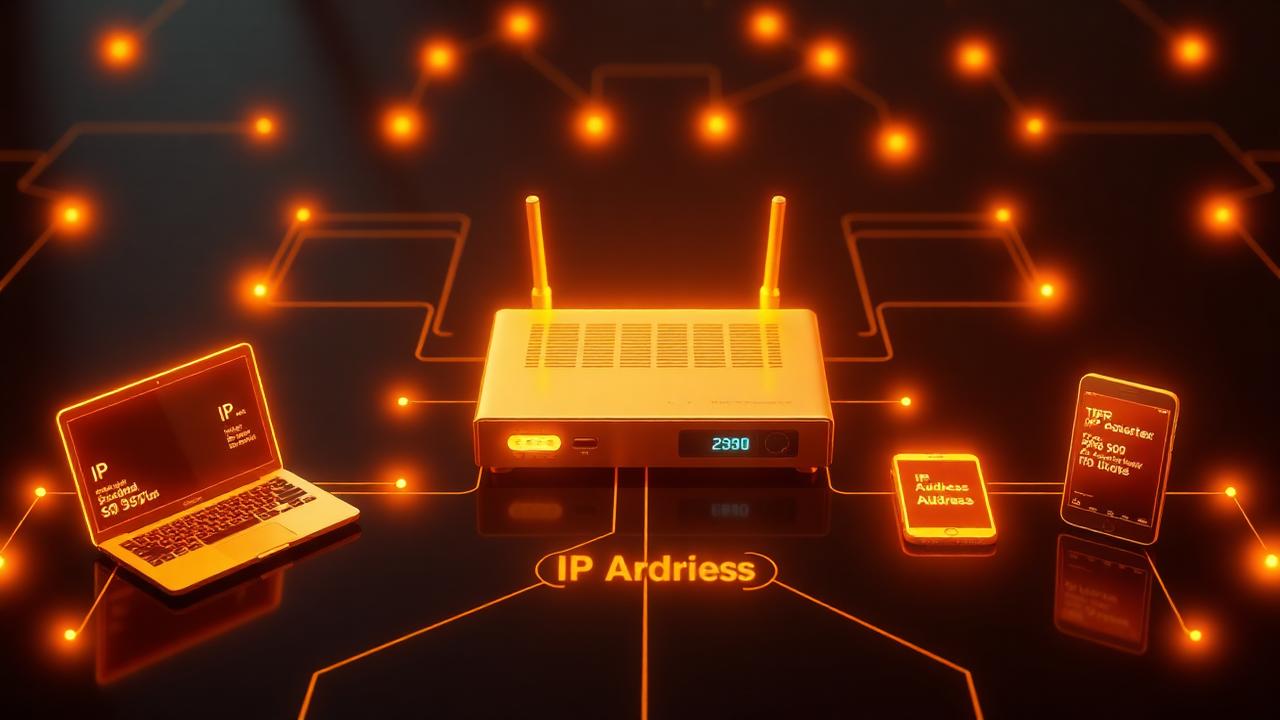
Every time you connect your phone to WiFi, it gets an IP address automatically within seconds. You didn't type anything. Nobody configured it. That invisible magic is DHCP — and without it, you'd have to manually configure every single device every time it joined a network.
What Is DHCP?
DHCP (Dynamic Host Configuration Protocol) is a network protocol that automatically assigns IP addresses and other network settings to devices when they connect.
DHCP hands out the IP address, subnet mask, default gateway, and DNS server addresses your device needs. Without it, every device would need a manually configured static IP — completely impractical at scale in homes, offices, or public WiFi.
How DHCP Works — The DORA Process
- DISCOVER — your device broadcasts: 'Is there a DHCP server? I need an IP address.'
- OFFER — the DHCP server responds: 'I have this IP available: 192.168.1.105.'
- REQUEST — your device replies: 'I'll take it. Please confirm.'
- ACKNOWLEDGE — the server confirms: 'It's yours. Lease expires in 24 hours.'
This four-step handshake happens in milliseconds when you join WiFi.
What Is a DHCP Lease?
IP addresses assigned by DHCP are temporary — they have an expiry time called a lease. Typical lease times are 24 hours for home routers, 8 hours for offices, and 1 hour for public WiFi.
Before the lease expires, your device automatically renews it silently in the background. Leases exist so unused IP addresses are returned to the pool for other devices.
DHCP vs Static IP — Which Should You Use?
- DHCP (dynamic) — IP can change every lease renewal. Great for most devices: phones, laptops, tablets.
- Static IP — manually set, never changes. Essential for: home servers, printers, NAS devices, security cameras, and your router itself.
Find out the IP address your network is currently using.
Open What Is My IPLook up the geolocation, ISP, and details of any IP address.
Open IP LookupDHCP on Your Home Router
Your home router is both a DHCP client (it gets an IP from your ISP) and a DHCP server (it gives IPs to your devices). A typical home DHCP range is 192.168.1.100 to 192.168.1.200 — 100 addresses available.
DHCP reservation lets you assign a specific IP to a specific device permanently by its MAC address — best of both worlds: automatic assignment plus a predictable address.
What Is APIPA? (When DHCP Fails)
If no DHCP server responds, Windows and Mac devices auto-assign themselves an APIPA address in the 169.254.x.x range. APIPA stands for Automatic Private IP Addressing.
Seeing a 169.254.x.x address on your device is a clear sign it cannot reach the DHCP server — usually a connectivity problem with the router or cable.
DHCP Security Considerations
- DHCP starvation attack — an attacker floods the server with requests, exhausting all available IPs so legitimate devices can't connect.
- Rogue DHCP server — an attacker sets up a fake DHCP server to hand out malicious gateway or DNS settings, enabling a man-in-the-middle attack.
- Defence — DHCP snooping on managed switches and monitoring for unusual IP consumption.
Frequently Asked Questions
What does DHCP stand for?+
DHCP stands for Dynamic Host Configuration Protocol. It automatically assigns IP addresses and configuration settings to devices when they connect to a network.
Does my router use DHCP?+
Yes. Almost all home routers have a built-in DHCP server enabled by default. It assigns IP addresses to every device that connects to your WiFi or wired network.
What happens when the DHCP lease expires?+
The device automatically attempts to renew its lease before it expires. If the same IP is available, it is reassigned. If not, the device receives a different IP from the pool.
What is the difference between DHCP and DNS?+
DHCP assigns IP addresses to devices on your local network. DNS translates domain names like google.com into IP addresses. DHCP often also tells devices which DNS server to use.
Why does my IP address change sometimes?+
Dynamic IPs assigned by DHCP can change when your lease expires, when you restart your router, or when you reconnect. Use a static IP or DHCP reservation to keep the same address.
Related articles
Browse all in IP & NetworkingWhy Does My IP Address Keep Changing? (And Should You Be Worried?)
Read IP & NetworkingProxy-Seller Review 2026: Proxy Types, Features, Pricing, Testing & Affiliate Offer
Read IP & NetworkingWhy Is My DNS Slow? 7 Fixes for Slow DNS Lookups (2026)
Read IP & NetworkingWhat Is My IP Address and How Do I Find It? (Public vs Private, 2026)
Read IP & NetworkingWhat Is DNS and How It Works (Beginner Guide)
Read IP & NetworkingIPv4 vs IPv6 Explained (Simple Comparison)
ReadTry the related free tools
Hands-on utilities from DigiMetrics Hub that go with this guide.
What Is My IP
Instantly find your public IP address, location, ISP and timezone. Free, no signup required.
Open tool Network & IPIP Lookup
Look up any IP address and find its location, ISP, timezone and network details for free.
Open tool Network & IPDNS Lookup
Free DNS lookup tool: query A, AAAA, MX, CNAME, TXT, NS and SOA records for any domain instantly and see exactly what public DNS resolvers return.
Open tool Network & IPWHOIS Lookup
Free WHOIS lookup: find who owns a domain, when it was registered, when it expires, plus its registrar, nameservers and status codes. No signup needed.
Open tool