What Is an SSL Certificate and Why It Matters
SSL certificates encrypt data between browsers and servers. Learn what they do, how to check them, and why every site needs HTTPS.
What Is an SSL Certificate and Why It Matters
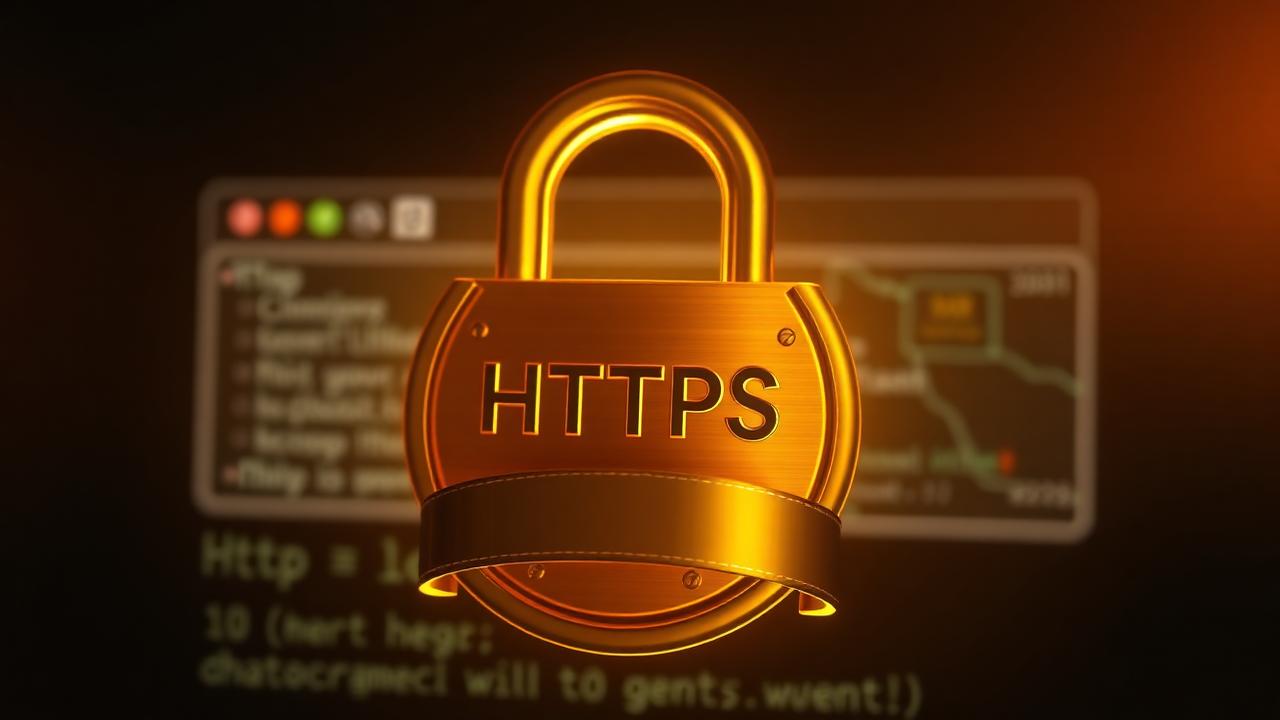
An SSL certificate is a small data file that enables HTTPS — the encrypted, padlock-protected version of HTTP. Without it, anything sent between a browser and a server can be read in plain text.
What SSL Actually Does
- Encrypts data in transit so it can't be intercepted
- Verifies the server's identity to prevent impersonation
- Enables HTTP/2 and HTTP/3 for faster page loads
Check any site's SSL certificate in seconds.
Run SSL CheckerTypes of SSL Certificates
- DV (Domain Validated) — basic, automated, free via Let's Encrypt
- OV (Organization Validated) — verifies the company exists
- EV (Extended Validation) — strictest checks, used by banks
Why It Matters for SEO
Google has used HTTPS as a ranking signal since 2014. Browsers now show 'Not Secure' warnings on plain HTTP sites — which scares away visitors and tanks your conversions.
How to Check a Certificate
- Click the padlock icon in your browser's address bar
- View the certificate details, issuer and expiry
- Or use our SSL Checker for a full report including chain validity
Get a full SSL report including expiry and chain checks.
Open SSL CheckerCertificates and key exchanges are moving to quantum-resistant algorithms — the background is in what is post-quantum encryption.
Frequently Asked Questions
What's the difference between SSL and TLS?+
TLS is the modern, secure successor to SSL. The name 'SSL certificate' stuck for marketing reasons, but every modern certificate actually uses TLS 1.2 or 1.3.
How often does an SSL certificate need to be renewed?+
Let's Encrypt certificates last 90 days and renew automatically; paid certificates typically last 1 year. Browsers reject certificates with validity periods longer than 398 days.
Does HTTPS slow down my website?+
No — modern TLS 1.3 adds only milliseconds and unlocks HTTP/2 and HTTP/3, which make pages noticeably faster overall.
What does 'certificate chain incomplete' mean?+
Your server is missing intermediate certificates needed to link your cert back to a trusted root. Reinstall the full chain or use our SSL Checker to identify the missing intermediates.
Related articles
Browse all in CybersecurityHow Hackers Track Your IP Address
Read CybersecurityWhat Is a Password Strength Checker and Why It Matters
Read CybersecurityHow to Check If a Website Is Safe Before You Visit (2026)
Read CybersecurityWhat Is Two-Factor Authentication (2FA)? Complete Guide 2026
Read CybersecurityWhat Is Phishing? How to Recognize and Avoid It in 2026
Read CybersecurityWhat Is Malware? Types, Examples, and How to Remove It 2026
ReadTry the related free tools
Hands-on utilities from DigiMetrics Hub that go with this guide.
Browser Fingerprint
Check your browser fingerprint and see what data websites can collect about you. Free privacy tool.
Open tool Security & PrivacySSL Checker
Check SSL certificate validity, issuer, and expiry date for any website. Free online SSL checker.
Open tool Security & PrivacyRobots.txt Checker
Check and validate the robots.txt file of any website instantly. Free SEO tool, no signup needed.
Open tool Speed & PerformanceWebsite Down Checker
Check if any website is down or up right now. Free website status checker, no signup required.
Open tool